
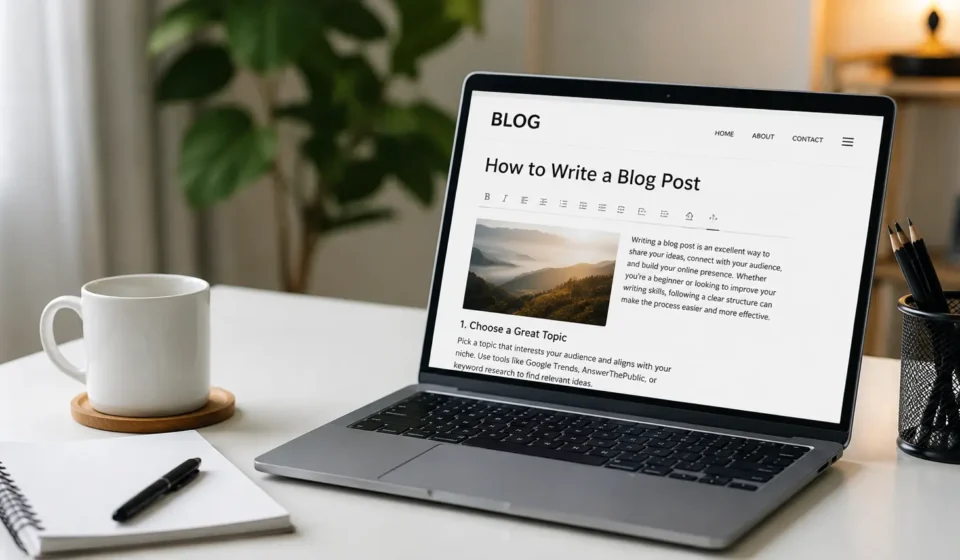
How to Stop Readers from Leaving Your Blog: Proven Tips That Work

Have you ever spent hours writing a blog post only to discover that visitors leave within a few seconds?
Many bloggers focus heavily on SEO, keywords, and content length but overlook one critical factor: keeping readers engaged from the very first sentence.
Research and industry experts consistently show that readers quickly decide whether to stay or leave a page. If your introduction fails to capture attention, even the most valuable content may never get read.
The good news is that you don’t need to be a professional copywriter to keep readers engaged. By applying a few proven techniques, you can reduce bounce rates, increase reading time, and build a loyal audience.
Let’s explore the strategies that work.
Why Readers Leave Blogs So Quickly
Before learning how to keep readers, it’s important to understand why they leave.
Common reasons include:
- Weak introductions
- Long and boring opening paragraphs
- Lack of relevance
- Confusing structure
- No emotional connection
- Delayed value delivery
Most visitors ask themselves one question:
“Is this content worth my time?”
If the answer isn’t obvious within a few seconds, they leave.
How to Write a Blog Introduction That Grabs Readers’ Attention
1. Start With a Killer Hook
One of the most effective blog tips that hook readers is starting with a powerful hook.
A hook is the first sentence or opening paragraph that grabs attention and creates curiosity.
Examples of Effective Hooks
Question Hook
“Why do most readers leave a blog within the first 15 seconds?”
Statistic Hook
“More than half of website visitors spend only a few seconds deciding whether to stay or leave.”
Problem Hook
“You’ve written a great blog post, but nobody reads past the introduction.”
Story Hook
“Three years ago, I published a blog that received thousands of visitors but almost no engagement.”
A strong hook immediately tells readers that the content is relevant to them.
2. Know Your Target Audience
One of the biggest blogging mistakes is writing for everyone.
The best content speaks directly to a specific audience.
Ask yourself:
- Who is reading this article?
- What problems are they facing?
- What information are they looking for?
- What outcome do they want?
When you understand your audience, your writing becomes more personal and engaging.
Readers stay longer when they feel like the content was written specifically for them.
3. Engaging Blog Post Intros for Beginners
If you’re new to blogging, start with simple introduction styles.
The Question Intro
“Are your blog visitors leaving before reading the entire article?”
The Problem-Solution Intro
“Many bloggers struggle with high bounce rates. Fortunately, a few small changes can dramatically improve engagement.”
The Story Intro
“I published over 100 blog posts before discovering why readers were leaving my website.”
These introduction styles are easy to write and highly effective.
4. Use Emotional Triggers to Connect With Readers
Emotionally Connect Before You Educate
People often make decisions based on emotion and justify them with logic later.
That’s why emotional storytelling works so well in blogging.
You can use:
- Frustration
- Curiosity
- Hope
- Fear of missing out
- Success stories
For example:
“Imagine spending five hours writing a blog post only to watch visitors leave within seconds.”
Most bloggers can relate to this feeling immediately.
Emotional connection builds engagement and trust.
Write Amazing Blogs That Hook Readers
Creating a great blog isn’t about using fancy words. It’s about making reading easy.
- Keep Paragraphs Short
- Use Subheadings
- Add Bullet Points
- Use Conversational Language
These simple changes can significantly improve reader retention.
Top Writing Software for Captivating Blog Openings
If you’re serious about content creation, these tools can help:
- Grammarly: Improves grammar and readability.
- Hemingway Editor: Makes your writing clear and concise.
- Surfer SEO: Helps optimize content structure.
- Frase: Provides topic research and content suggestions.
The right tools won’t replace creativity, but they can make writing easier.
Engage Readers and Keep Them Coming Back
Getting visitors is only half the battle.
The real goal is creating content that makes readers return.
Ways to Build Loyalty
- Solve real problems
- Deliver practical advice
- Share personal experiences
- Update content regularly
- Maintain a consistent publishing schedule
Readers return to blogs that consistently provide value.
My Personal Blogging Rule
After analysing successful blogs across different industries, one pattern appears repeatedly:
The best blogs don’t start by talking about themselves. They start by talking about the reader.
Instead of saying:
“Today I will discuss blog writing.”
Try:
“Struggling to keep readers on your blog? Here’s what works.”
The second version immediately feels more relevant.
Whenever you write a blog post, focus on your reader’s problem before introducing your solution.
That simple shift can dramatically improve engagement.
Conclusion
If readers are leaving your blog too quickly, don’t immediately blame your content.
Most of the time, the problem starts at the beginning.
By learning how to write a blog introduction that grabs readers’ attention, using emotional hooks, understanding your audience, and creating clear value from the start, you can significantly improve engagement.
Remember:
- Start with a killer hook
- Know your target audience
- Use emotional connections
- Keep introductions concise
- Focus on solving reader problems
The best blogs don’t just attract visitors—they give them a reason to stay.