
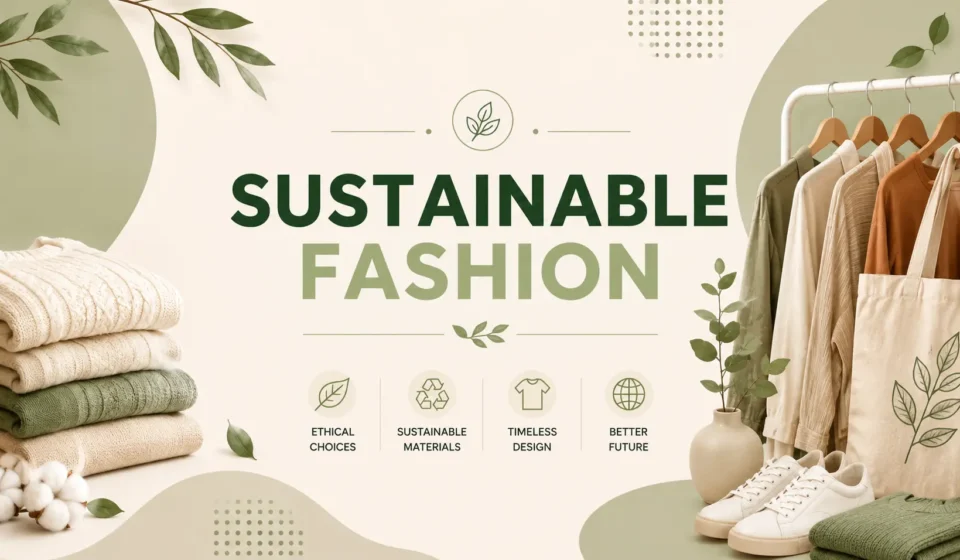

Fashion helps us express our personality, but the way clothes are produced can have a significant impact on the environment. In recent years, more people have started paying attention to sustainable fashion—a movement focused on creating clothing that is environmentally friendly, ethically produced, and designed to last longer.
As concerns about climate change, pollution, and waste continue to grow, sustainable fashion is becoming more than just a trend. It is a conscious choice that benefits both people and the planet.
What Is Sustainable Fashion?
Sustainable fashion refers to clothing, footwear, and accessories that are designed, manufactured, and distributed in ways that minimize environmental impact and promote fair working conditions.
Unlike fast fashion, which encourages frequent purchases and disposable clothing, sustainable clothing focuses on quality, durability, and responsible production practices.
The concept combines fashion and sustainability, ensuring that future generations can enjoy natural resources without compromising the environment.
Why Is Sustainable Fashion Important for Earth?
The fashion industry is one of the largest contributors to pollution worldwide. From excessive water consumption to textile waste and carbon emissions, traditional manufacturing methods can significantly harm the environment.
Choosing sustainable fashion helps:
- Reduce textile waste in landfills
- Lower water consumption
- Minimize chemical pollution
- Support ethical labor practices
- Promote eco-friendly materials
- Encourage responsible consumer behavior
By supporting ethical fashion brands and eco fashion brands, consumers can contribute to a cleaner and healthier planet.
What Are the Benefits of Choosing Organic Cotton Clothing?
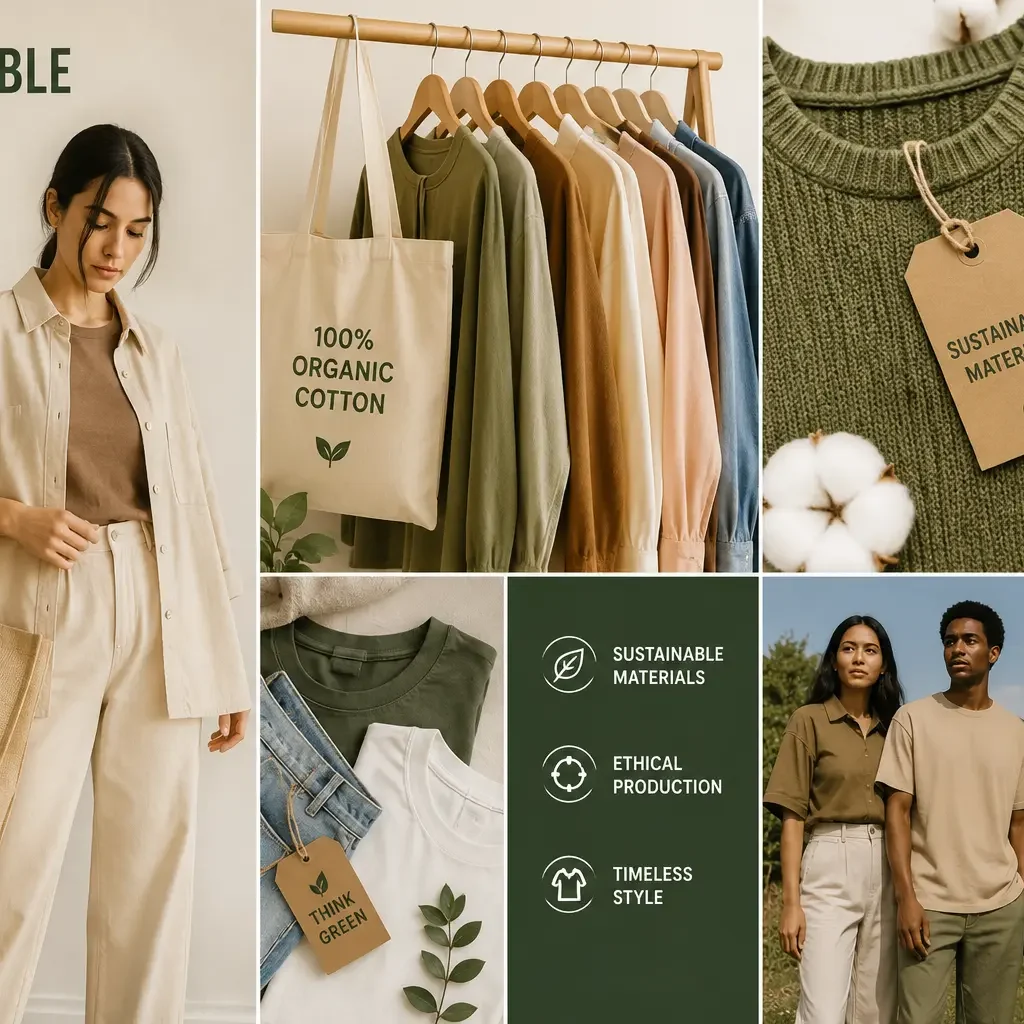
One of the most popular materials in sustainable fashion is organic cotton.
Unlike conventional cotton, organic cotton is grown without harmful pesticides and synthetic fertilizers. This makes it safer for farmers, consumers, and the environment.
Benefits of Organic Cotton Clothing
- Softer and gentler on the skin
- Reduced environmental impact
- Better for people with sensitive skin
- More breathable and comfortable
- Supports sustainable farming practices
Today, many brands offer organic cotton apparel, including:
- Organic cotton shirts
- Pure cotton T-shirts
- Organic cotton clothing for women
- Organic cotton clothing for babies
- Organic cotton infant clothes
- Natural cotton clothing for everyday wear
For parents, organic cotton clothing for babies and newborns is especially popular because it is soft, breathable, and free from harsh chemicals.
Sustainable Fashion Brands in the World
Many global brands are adopting environmentally responsible practices.
Popular sustainable fashion brands in the world focus on:
- Organic fabrics
- Fair trade manufacturing
- Recycled materials
- Carbon footprint reduction
- Ethical labor practices
These brands are helping transform the fashion industry by proving that style and sustainability can go hand in hand.
Top Sustainable Fashion Brands Available in World are:
- Stella McCartney
- Patagonia
- PANGAIA
- Eileen Fisher
- Veja
Top Sustainable Fashion Brands Available in India
- No Nasties
- B Label
- Reistor
- Doodlage
How to Identify Sustainable Fashion Brands by Their Certifications
Not every brand that claims to be eco-friendly follows genuine sustainable practices.
One of the best ways to verify a brand’s commitment is through certifications.
Common Certifications to Look For
- GOTS (Global Organic Textile Standard)
- Fair Trade Certified
- OEKO-TEX Standard 100
- B Corp Certification
- Global Recycled Standard (GRS)
These certifications help consumers identify responsible brands and make informed purchasing decisions.
Identify by Sustainable Clothing Labels
When shopping for sustainable clothing, check the product label for:
- Organic cotton certification
- Recycled material information
- Fair labor standards
- Eco-friendly dye processes
- Sustainable sourcing details
Reading labels carefully can help ensure that your purchase aligns with your values.
The Future of Fashion and Sustainability
As awareness grows, more consumers are choosing products that reflect their environmental values. Businesses are responding by adopting sustainable practices and developing innovative materials that reduce environmental impact.
The future of fashion lies in creating products that are not only beautiful but also responsible. By choosing sustainable clothing, consumers can help drive positive change throughout the fashion industry.
Conclusion
Sustainable fashion is about making thoughtful choices that benefit people, communities, and the environment. Whether you choose organic cotton clothing, support ethical fashion brands, or shop from eco fashion brands, every purchase has the power to make a difference.
As more consumers embrace sustainable living, fashion and sustainability will continue to work together to create a better future for our planet. Choosing sustainable clothing today is a small step that can have a lasting impact on Earth for generations to come.